Racism continues to be a significant and persistent problem across various aspects of civic life, including sports, despite numerous efforts to address it. Reports like the White Paper on Sports and various European studies, such as "Racism, ethnic discrimination and exclusion of migrants and minorities in sports, 2010," have highlighted the need for further action. Racism manifests in several forms: a. Representation: Black, Asian, and Minority Ethnic (BAME) groups' participation in sports events is not proportional to the country's population. b. Athlete Discrimination: Racist incidents occur not only among adult athletes but also in younger age groups, undermining European integration efforts. c. Institutional Racism: Institutional racism is evident in the management of organizations, where systemic failures lead to discrimination based on color, culture, or ethnic origin. These issues reveal covert forms of racism and discrimination that are challenging to detect but equally harmful, particularly to the youth. The BRISWA 2.0 project aims to address these priorities: a. Inclusion and Diversity: Fostering inclusivity and diversity in education, training, youth, and sports. b. Innovative Learning: Promoting innovative teaching and learning practices. BRISWA 2.0 plans to develop a higher education course focused on racism, emphasizing inclusion and diversity. Students will gain knowledge about racism, learn to devise effective countermeasures in a consequence-free environment, and participate in anti-racism campaigns. Civic engagement and participation are core elements of the project, highlighting racism as a civic issue that demands collective attention. To combat racism effectively, educators and higher education students must be equipped with the skills and knowledge to identify and address various forms of racism in schools, sports clubs, and other environments. However, limited evidence and guidelines exist, contributing to the challenge. The project seeks to answer whether racism can be taught systemically in higher education by employing a systemic approach, developing tools for students to experiment with knowledge, and providing a simulation pilot training forum. BRISWA 2.0 builds on the success of the previous BRISWA project, which examined racism in football and conducted anti-racism campaigns across Europe. The new project extends this approach to higher education, offering training and knowledge to combat racism at a systemic level, providing a platform for progress in the fight against discrimination.






In Lavorazione ...
In Lavorazione ...
 Eleonora Piacenza
 Valerio Ciuffini
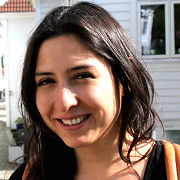 Vanessa Armendariz
 Alberto Stanislao Atzori
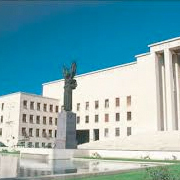 “Sapienza” University
 Andrea Furlan
 Stefano Armenia